
MEDIA CENTER
1. Definition
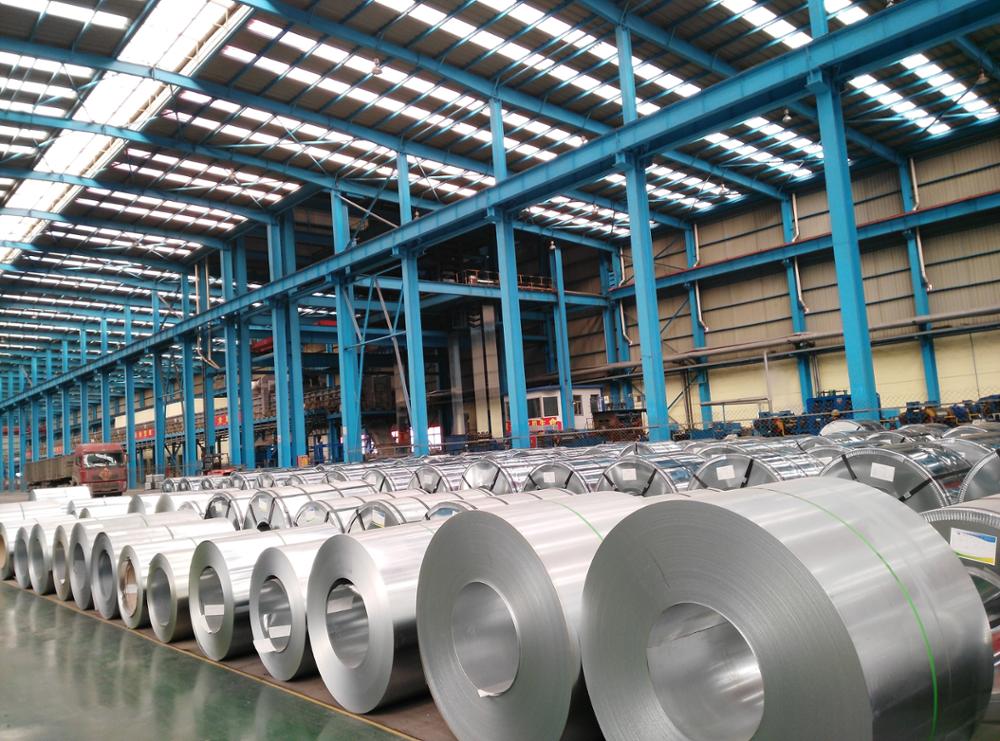
Galvanizing is a process of applying zinc to steel to prevent corrosion through sacrificial anodic protection. The zinc layer corrodes preferentially when damaged, thus protecting the steel substrate.
2. Galvanizing Methods
Common galvanizing methods include:
Hot-dip galvanizing: The steel is immersed in molten zinc to form a thicker zinc layer, which is suitable for large structural parts.
Electrogalvanizing: The zinc layer is deposited on the steel surface by electrolysis to form a thinner and uniform coating, which is suitable for small parts.
Mechanical galvanizing: The zinc powder is attached to the steel surface by mechanical impact, which is suitable for parts with complex shapes.
Thermal spray zinc: Molten zinc is sprayed onto the steel surface, which is suitable for large structural parts and on-site construction.
3. Characteristics
Corrosion resistance: The zinc layer provides excellent corrosion protection, especially in harsh environments.
Adhesion: The hot-dip galvanized zinc layer is firmly bonded to the steel substrate.
Aesthetics: The galvanized surface has a silvery-white luster, which is beautiful and durable.
Machinability: Galvanized steel can still be cut, welded and processed.
4. Application
Architecture and structure: used for steel structures, bridges, roofs and wall panels.
Automobile: used for body parts, chassis and exhaust systems.
Household appliances: used for refrigerators, washing machines and other shells and internal parts.
Power and communication: used for transmission towers, cable trays and communication equipment.
Agriculture: used for greenhouse structures, irrigation systems and agricultural equipment.
5. Advantages and disadvantages
Advantages:
Excellent corrosion resistance
Long life and low maintenance cost
Good adhesion and aesthetics
Disadvantages:
High cost of hot-dip galvanizing
Thin electroplated zinc layer and short protection time
Some galvanizing processes may cause environmental pollution
6. Maintenance and care
Regular inspection: Check whether the zinc layer is damaged or corroded.
Cleaning: Clean the surface regularly to prevent dirt accumulation.
Repair: Repair damaged parts in time to prevent further corrosion.
Summary
Galvanizing is an effective anti-corrosion process, which is widely used in construction, automobiles, home appliances and agriculture. Different galvanizing methods are suitable for different application scenarios. Choosing the right galvanizing process can significantly extend the service life of steel products.
Related Posts
Online Message
Please give us a message